Categories
Conditioning Gear testing Hiking benefits

Conditioning

What is Conditioning?

Conditioning is any form of exercise done to improve overall physical fitness, stamina, and athletic performance. In our case, it is for the purpose of getting ready for backpacking in the mountains. The conditioning needs to prepare us for both uphill hiking and carrying a winter backpack.

For many hikers in the Seattle area, conditioning consists of short weekend hikes on trails near the city, such as Cable Line Trail (3 miles, 2,020 ft gain), Mount Si (8 miles, 3,150 ft gain), and Tiger Mountain (15.2 miles, 2,300 ft gain). These are great conditioning trails, but they require time to get there and complete. I enjoy hiking these trails, but a quicker, more routine-based approach is more practical and easier to sustain.

Make it Regular

Regular walking provides both physical and mental health benefits. It is an accessible form of exercise for people of all fitness levels. It can improve cardiovascular health, strengthen bones and muscles, help with weight management, and boost mood and cognitive function. Getting these types of benefits only requires about 150 minutes of walking per week, or about 30 minutes per day 5 times a week.
Categories
Conditioning Diversity Friendships Gear checks Group Safety Culture Liability Release Managing Expectations Uncategorized Vetting Members

Creating a Group Safety Culture

Begin by Building a Team Mindset

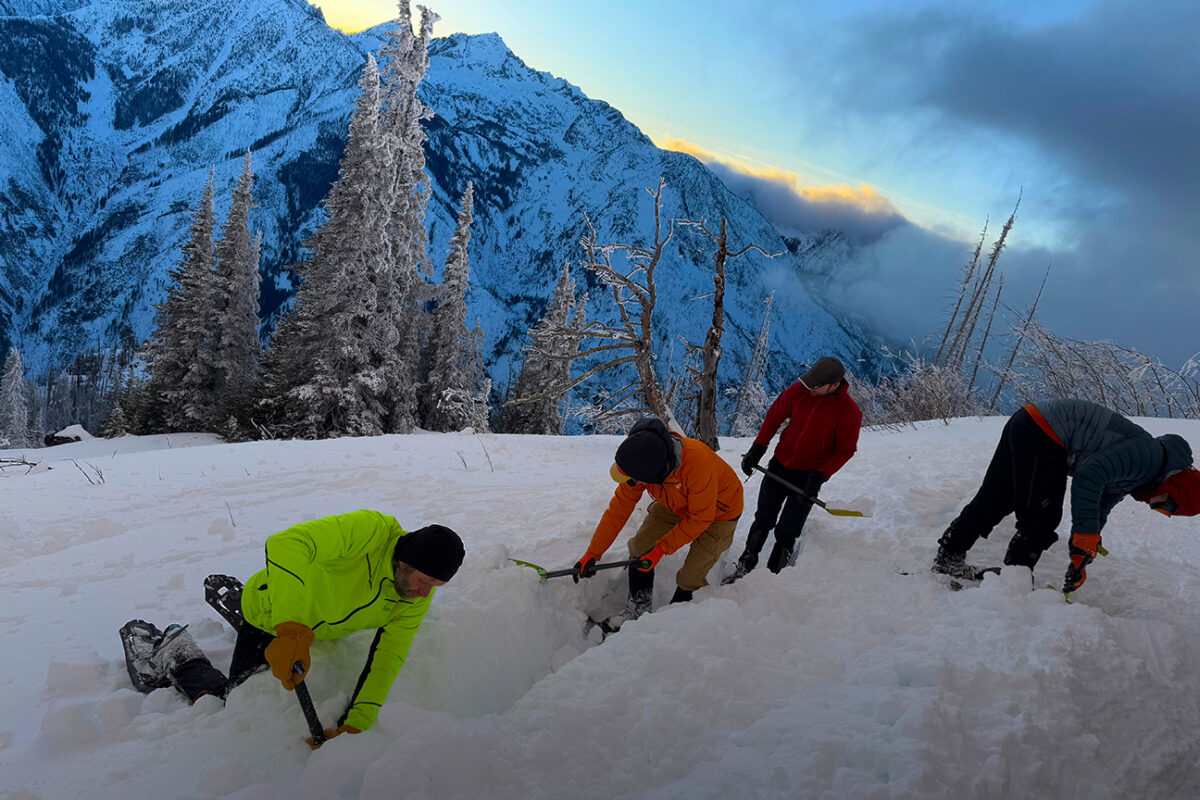
Some backpackers and hikers are introverts who like their solitude. As an organizer, you want to get everyone to respect the group and be a team player. This will increase safety. There are specific things you can do to build a team mindset.

  1. First, create a group structure. Emphasize that it is a group event. Designate a navigator to lead the group and a sweeper to check on anyone in the back who is slower or having difficulty. Having a navigator and sweeper helps create a group structure. The navigator is usually the first person to observe challenging conditions on the route. When this happens it is important for the navigator to discuss options with the sweeper. The sweeper is the person who has the best observations about those in the group who might struggle the most with a particular route decision.
  2. Second, keep people together. This will help them get to know each other. People care more about people they know. They become more patience and more helpful when the person slowing down the group is a friend. The key is to stay together—ride together, hike together, eat together, and camp together. There is always time around camp for people to wander around and have solitude.