Categories
Garmin inReach Mountain Rescue Rescue Costs Rescue exprectations Rescue hand signals Rescue Insurance Satellite-enabled phones Uncategorized whistles

Mountain Rescue—What to Expect

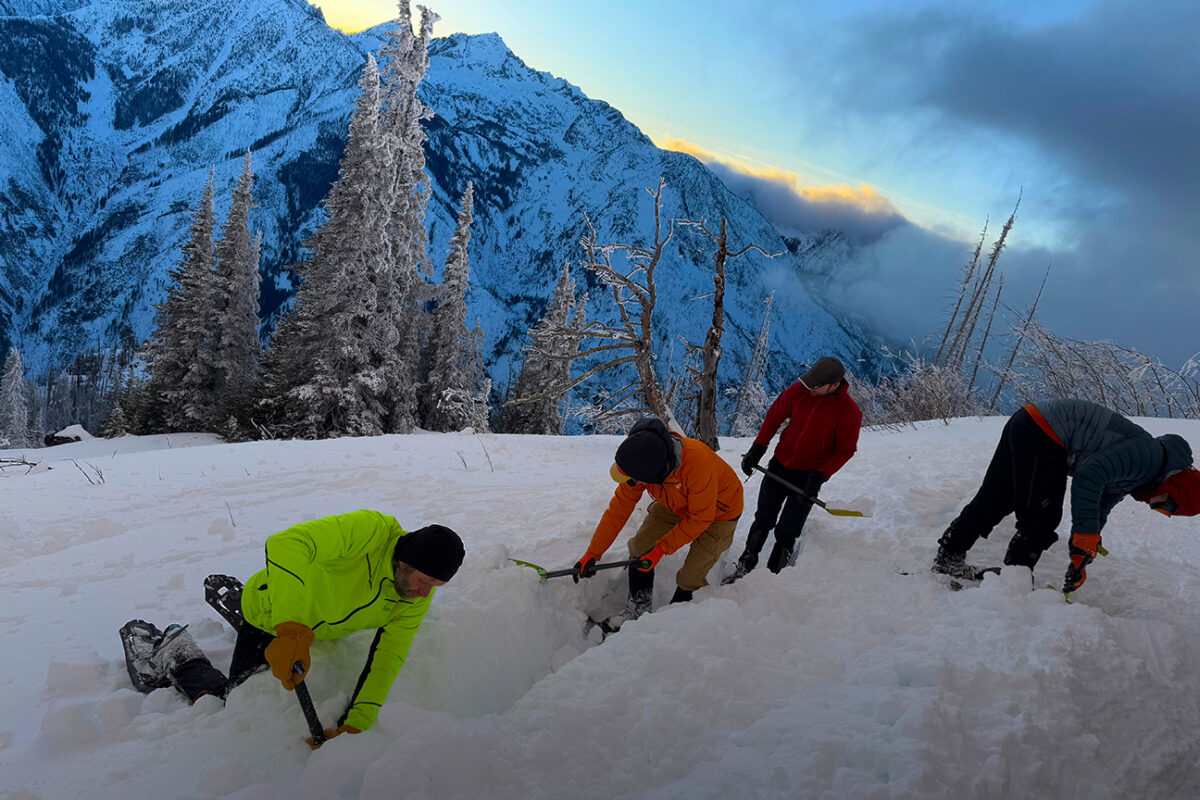
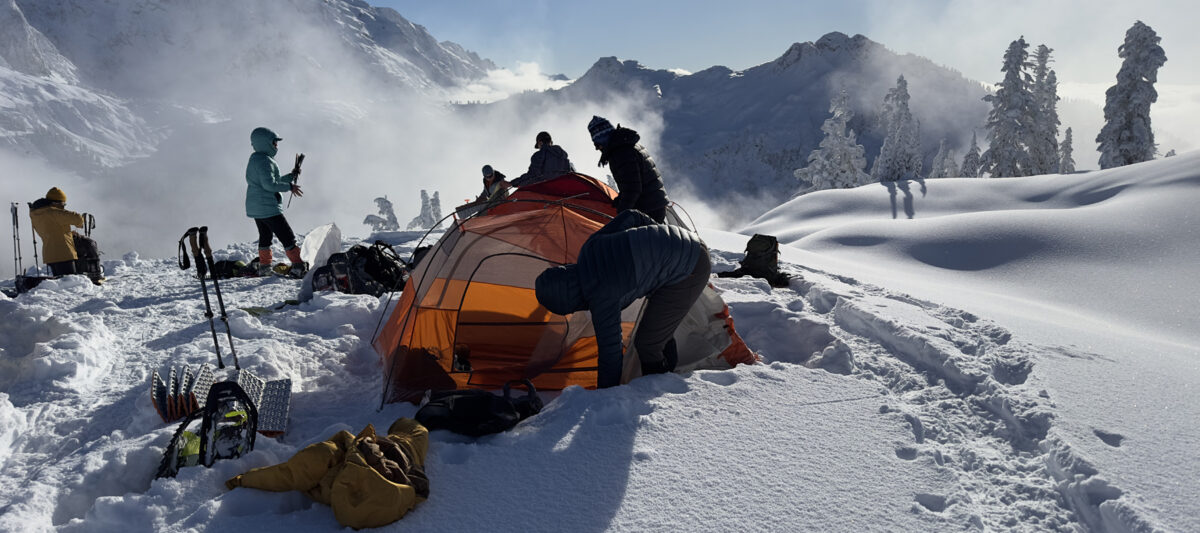
Only once have we called Mountain Rescue (Search and Rescue or SAR). A group member left camp in the evening to hike on the ridge. We assumed he would stay within eyesight and a reasonable distance, but he made the decision to continue and scramble up icy terrain toward Hadley Peak. Darkness began to fall, and the winds increased. When he didn’t return, we searched for him until we decided it was unsafe to continue. Seeing no headlamp light anywhere on the ridge, a team member decided to call Mountain Rescue. They informed us that they could not safely assist us due to the harsh winter conditions and high winds—a search would need to wait until the following day. Had he been injured on the ridge, he would likely have died of hypothermia before the morning. We returned to camp, secured his gear, and waited. Thankfully, he returned safely. Never go far from the group or your gear.

winter rescue
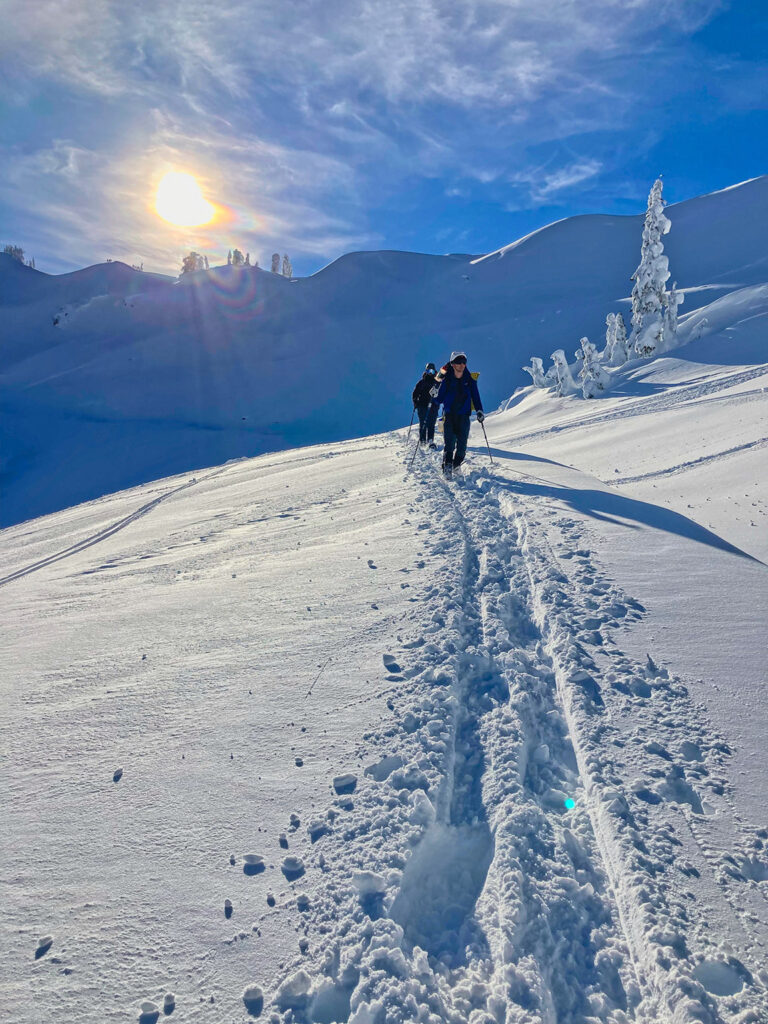
Searching for a missing hiker.

Prioritize safety. Communicate with team members. Keep an eye out for each other. If you are caught in an avalanche or fall into a tree well and no one sees it, they can’t know to rescue you. By the time someone realizes something may be wrong, it could already be too late. Try to make sure someone in the group is aware of what you are doing if you leave the camp area. For more about group safety, see Creating a Group Safety Culture

Categories
Avalanches Climbing helmets Cornices Glide avalanches Rockfall hazards Route hazards Safety precautions Slope angles Snow bridges Types of avalanches Uncategorized Wet Avalanches

Route Planning and Safety

Snow Avalanche avoidance begins with careful route planning. Each planned route involves important safety considerations and exploratory tests. No route is without risks. The information below is basic and not comprehensive. It is intended as an outline of the main dangers and precautions that can be taken.

In addition to selecting routes with less risks, every trip plan needs to consider weather and avalanche forecasts. Weather conditions leading up to the planned event must be monitored and existing snowpack conditions need to be considered.

Avalanche
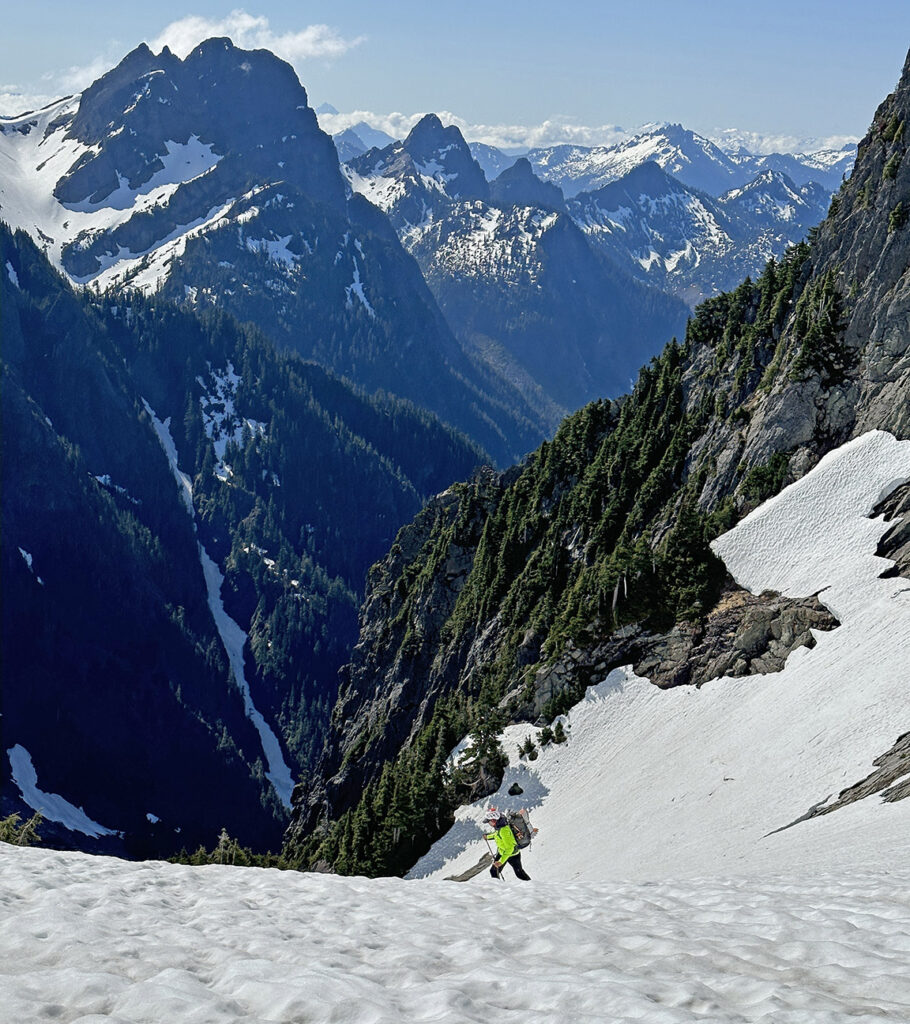
It is common for skiers and snowshoers to find avalanche debris that occurred when the slope was less stable. Wet slides such as this one are often shallow and slow moving.
Categories
Conditioning Diversity Friendships Gear checks Group Safety Culture Liability Release Managing Expectations Uncategorized Vetting Members

Creating a Group Safety Culture
Begin by Building a Team Mindset

Some backpackers and hikers are introverts who like their solitude. As an organizer, you want to get everyone to respect the group and be a team player. This will increase safety. There are specific things you can do to build a team mindset.

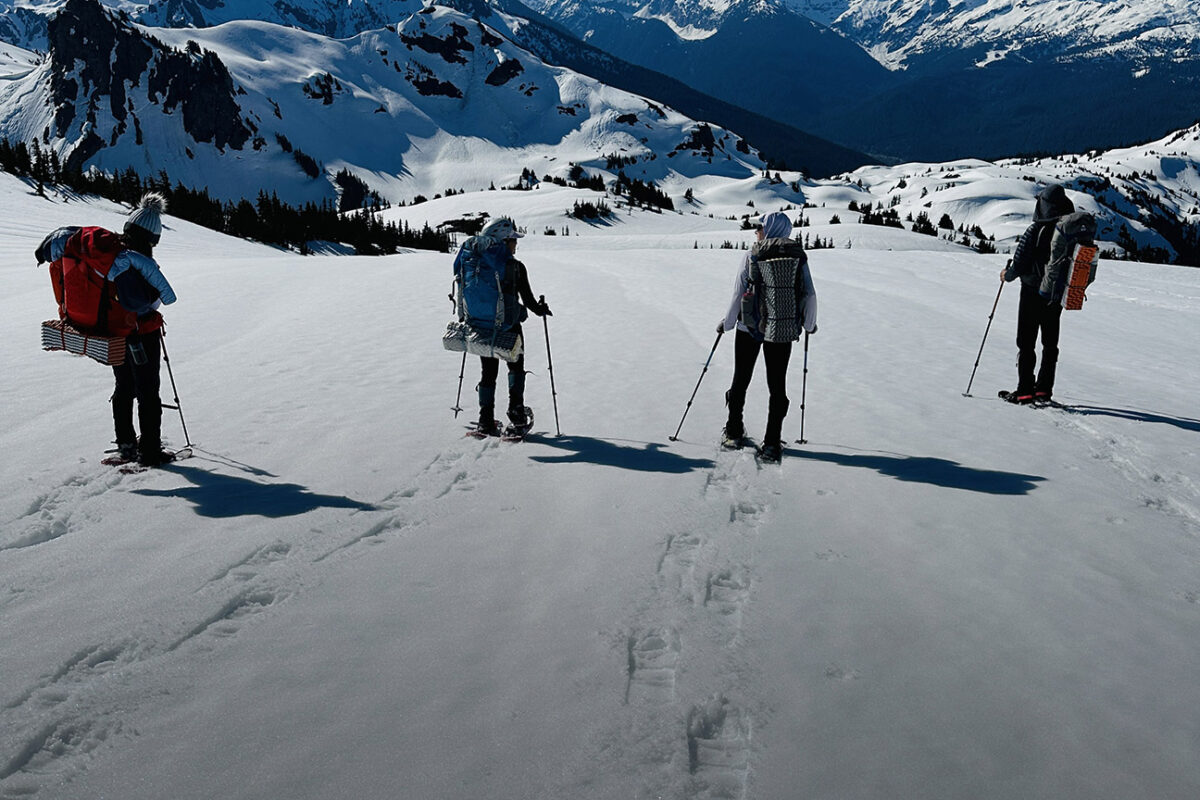
  1. First, create a group structure. Emphasize that it is a group event. Designate a navigator to lead the group and a sweeper to check on anyone in the back who is slower or having difficulty. Having a navigator and sweeper helps create a group structure. The navigator is usually the first person to observe challenging conditions on the route. When this happens it is important for the navigator to discuss options with the sweeper. The sweeper is the person who has the best observations about those in the group who might struggle the most with a particular route decision.
  2. Second, keep people together. This will help them get to know each other. People care more about people they know. They become more patience and more helpful when the person slowing down the group is a friend. The key is to stay together—ride together, hike together, eat together, and camp together. There is always time around camp for people to wander around and have solitude.
Categories
Diversity and inclusiveness Event Organizing Safety Uncategorized Winter Backpacking Meetup

How to Create a Winter Backpacking Group

Winter backpacking is much safer if you are in a group but how do you find other people interested in this activity? If you live in Washington State, join our winter backpacking Meetup. If you live elsewhere, the tips outlined here are for you.

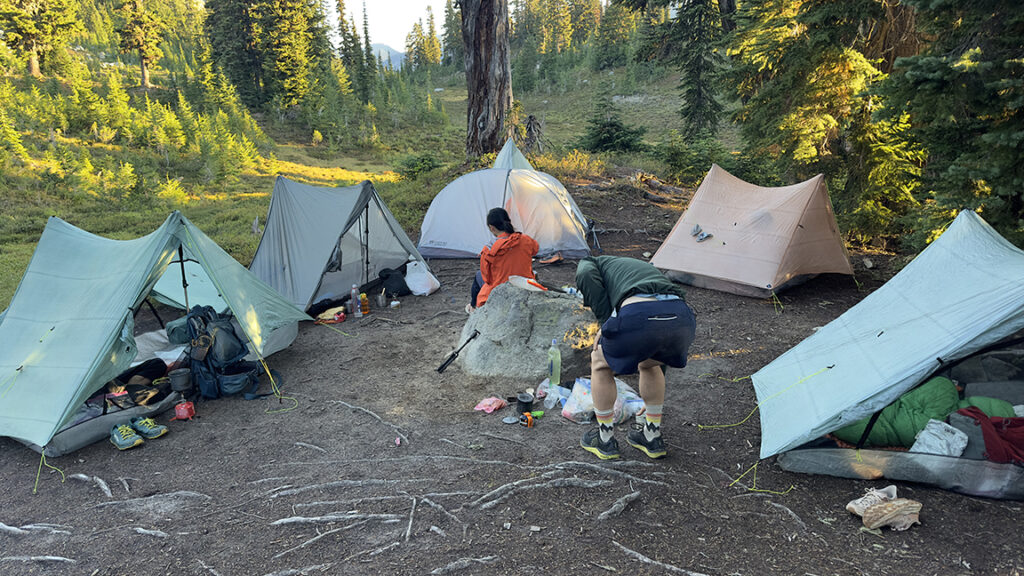
winter backpacking group
Categories
Blister Prevention First Aid Uncategorized

Blisters: A Guide to Prevention and Treatment

 By Scottie Bussell, MD, MPH

Having pain in our feet can take the joy out of backpacking, slow you down, and cause you to not complete the trip. Blister prevention begins with three main considerations: 

  • Comfortable footwear 
  • Your sock strategy 
  • Foot conditioning 
  • Preemptive practices 
winter backpacking

1. Comfortable Footwear 

Good foot care starts with choosing the right shoes for your feet and the terrain conditions. The main considerations are looseness for warmth, traction, ankle band for security (boot doesn’t come off), sufficient sole flexibility for distance hiking but rigid enough for crampons, level of cushion for the sole of your feet, a reinforced toe box for kicking-steps in hard snow, and water resistance versus breathability to keep your feet dry.  

Categories
B1–B3 boot rating system Boot fitting tips Boot looseness Crampons Foot warmth Footwear High Gaiters Microspikes Step Kicking Uncategorized

Footwear for Winter Backpacking

This information is specifically for backpacking in the winter conditions of the Pacific Northwest and Cascade Mountains. 

Pain in our feet can take the joy out of backpacking, slow you down, and prevent you from completing the hike.  Think of your footwear as a system of socks, shoes, and traction that needs to work comfortably and efficiently together in winter terrain. If one or more parts fail, our movement is slowed and we become susceptible to injuries such as falls, blisters, and sprained ankles. If this system is not in sync we expend energy inefficiency.

winter footwear on icy slopes
It is not always easy to predict snow and terrain conditions. Having the necessary footwear system is essential for warmth and stability.

Our winter backpacking group hikes year-round in the Washington Cascade Mountains in different terrain and weather conditions—from rocky coastal terrain to icy mountain slopes. For some trips traditional hiking or trail running shoes work fine and for others more rigid boots are necessary. You may choose to use different footwear for different events or you may want to buy one pair for all your needs. In rare cases, you may even want to bring two pairs of shoes such as a comfortable flexible shoe and a stiffer boot, such as, on a long dry approach that then turns into hard snow.  However, given the extra weight, a single all-purpose boot is ideal. 

Main Requirements

Our group is mainly hiking below 8000 feet on snow and ice, and smooth and rocky terrain (scree and tallis) in temperatures 5º F and above. Typical distances range from some deep snow events that are less than 7 miles round trip to longer mixed dirt and hard snow events that can exceed 12 miles per day.

Categories
Durston X-Mid 1 Solid Tent Gossamer Gear The one Tent Trekking Pole Tents Ultra-Light Backpacking Gear Uncategorized

Trekking Pole Tents

Gossamer Gear’s The One and the Durston X-Mid 1 Solid: First Impressions

I’m not recommending trekking pole tents for winter or deep snow events. This review concerns ultra-light tent options for long-distance backpacking in the summer and fall and in moderate weather conditions.

In the last few years our winter hiking community has been doing more non-winter events—overnight coastal trips and section hiking the PCT, as well as other summer and fall trips not involving snow. We are in the process of learning more about ultra-light summer gear.

For these milder-weather events, trekking pole tents offer a significant weight reduction by eliminating tent poles and using trekking poles instead. Late summer and early fall are times when ultra-light backpacking methods work well. For this reason, I started looking into trekking pole tents that I could recommend to other hikers in our group. After researching available options, I reached out to Durston and Gossamer Gear to see if they would allow me to try out their tents. 

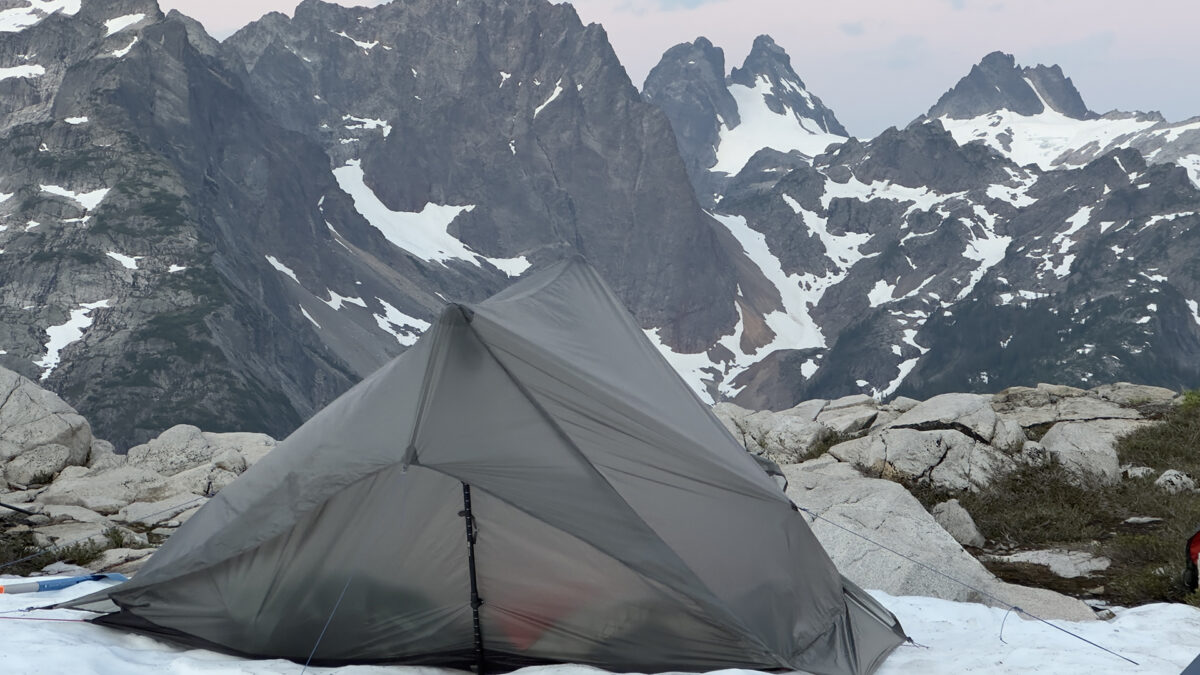
trekking pole tent review
In the winter most everyone is using a free-standing tent, but in the summer hikers are eager to switch to trekking pole tents to reduce weight.
Categories
Astrophotography Cameras Phone Cases Photography Uncategorized USB Pen Drives USB Power Banks

Winter Astrophotography

An Intro to Landscape Winter Astrophotography by Daniel Kuo

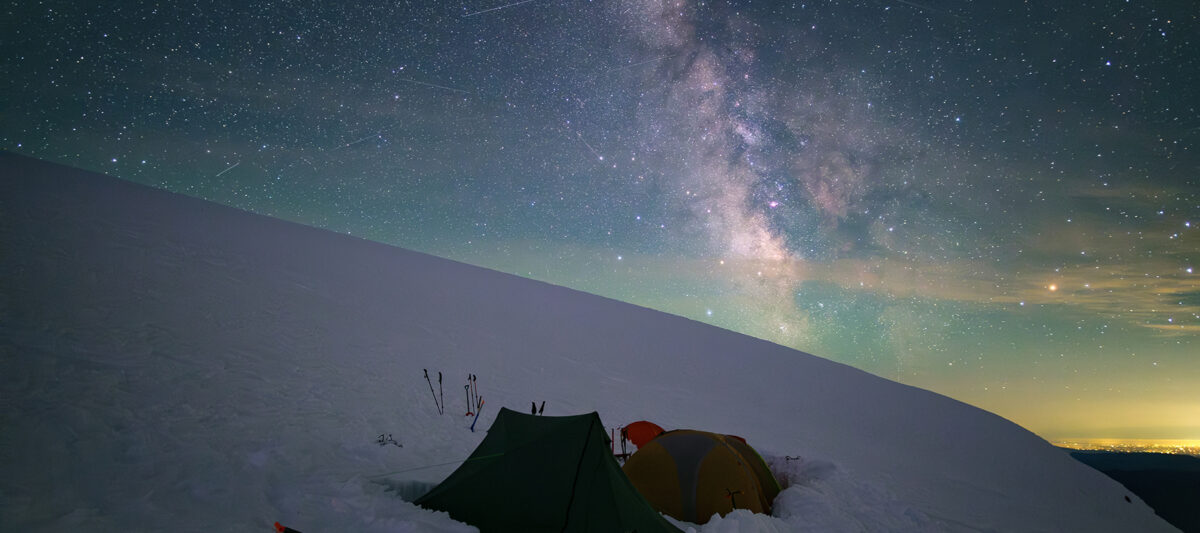
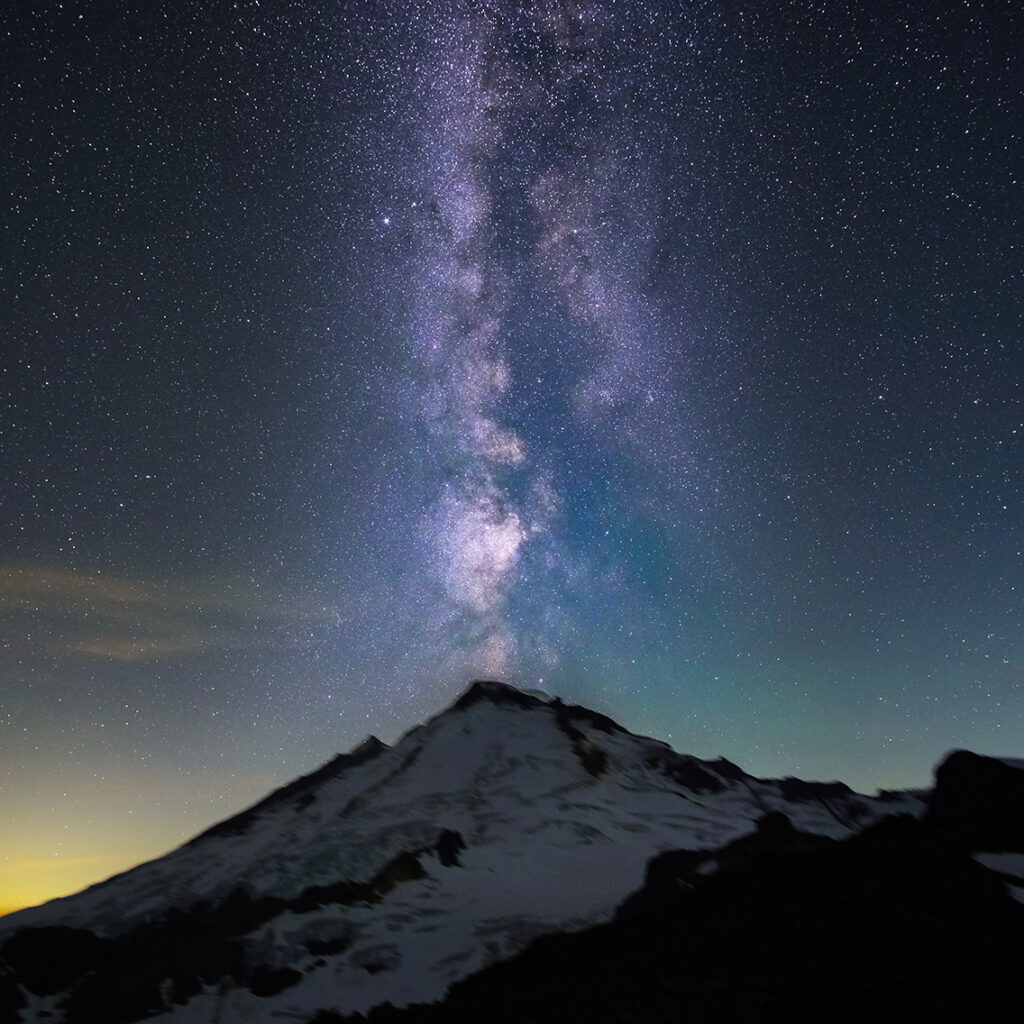
Photographing the night sky can be a profoundly rewarding experience and a great way to connect with the cosmos. Modern Cell phones and digital cameras enable us to capture stunning details in the sky that are difficult to see with our eyes, such as subtle airglow in the upper atmosphere and intricate star clusters and dust lanes within our own Milky Way. 

Galaxy over Mount Baker
Categories
Backpacking Ecliptic Fermi Paradox Great Galaxy of Andromeda Milky Way Navigation Northstar Star Gazing Stargazing Uncategorized Winter nights

Embrace the Winter Night

Discover the beauty of the night

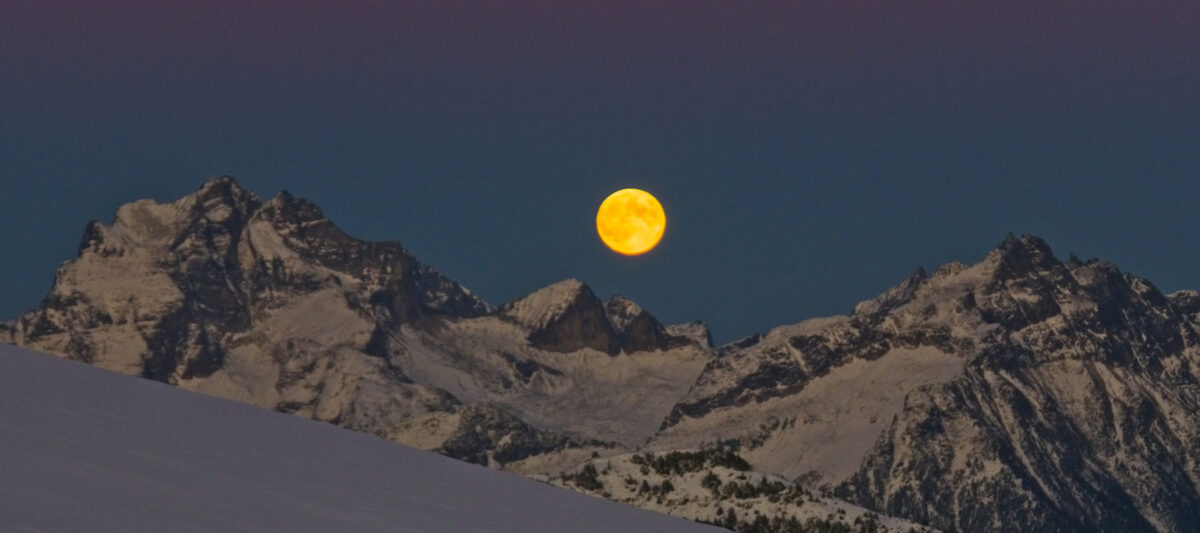
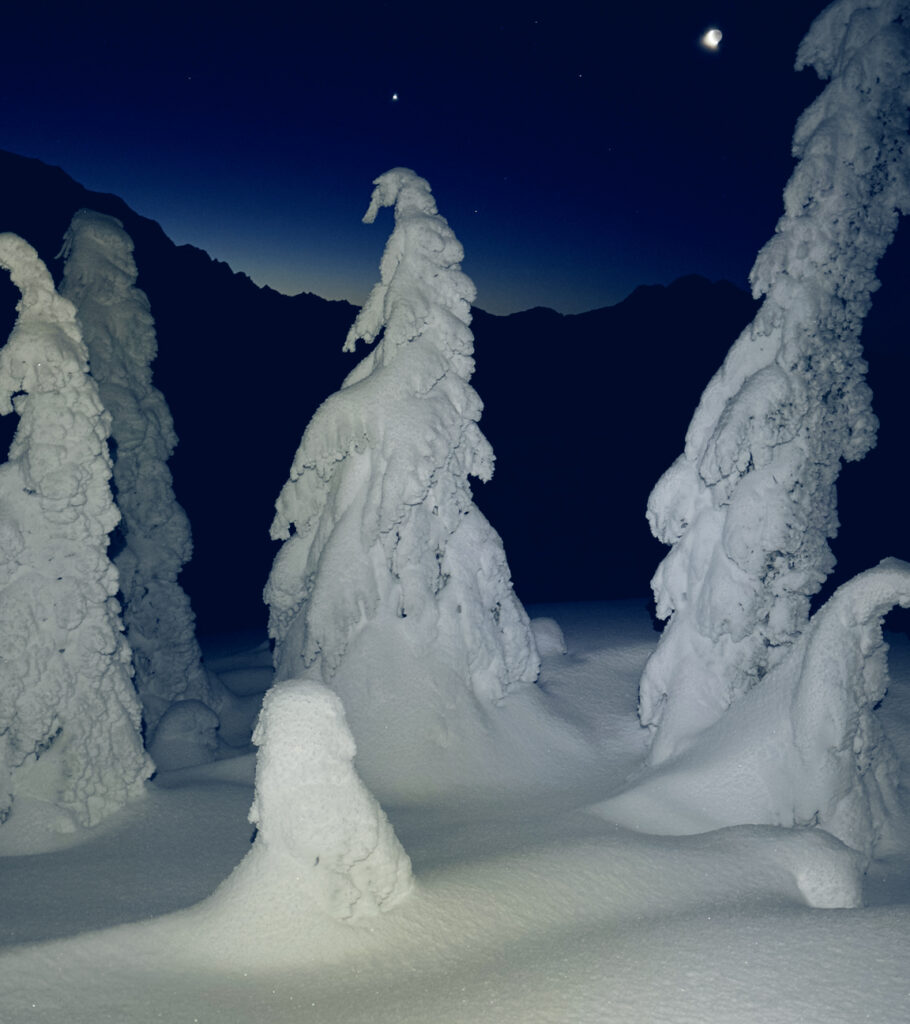
Getting out at night in the quiet is one of the high points of the winter backpacking experience. The snow reflects the moonlight and the winter nighttime landscape becomes radiant. When the moon is gone, the Milky Way arches across the sky. Most of the seemingly endless number of stars are merely the ones visible to us within our galaxy. You will find that the night can provide some of our deepest and most memorable wilderness experiences.

winter landscape at night

The more you go out at night the more you will fall in love with the experience.

Categories
Foot warmth Four Rules of Foot Warmth Layering while hiking Liner socks Merino Wool socks Outer socks Uncategorized

What are the Best Socks for Winter Backpacking?

No one likes cold feet. To keep my feet warm I use a variety of socks depending on the weather conditions. Recently the retailer I used for wool socks dropped the ones I liked and so the search for new options began. Here are a few options that I think work well:

  • The REI Merino Wool Expedition Crew socks, the
  • Wigwam Merino Woodland socks, and the
  • J.B. Fields Icelandic socks.

All are good, but my main preferences are the REI Merino wool liner and either the Wigwam Merino Woodland socks or the –40ºC Islandic socks from Canada depending on expected temperatures.

I do not use hand warmers or any type of heating system that relies on batteries. I think these methods are unnecessary and unreliable. I want a system that is long lasting and dependable.

The 2-Sock Strategy

I use a 2-sock method. I use this method even on some summer trips. This method increases comfort and warmth and reduces the chances of blisters. It consist of a thin liner sock covered with a thick outer cushioning sock. Together, both need to allow the foot to flex and wiggle in the boot.

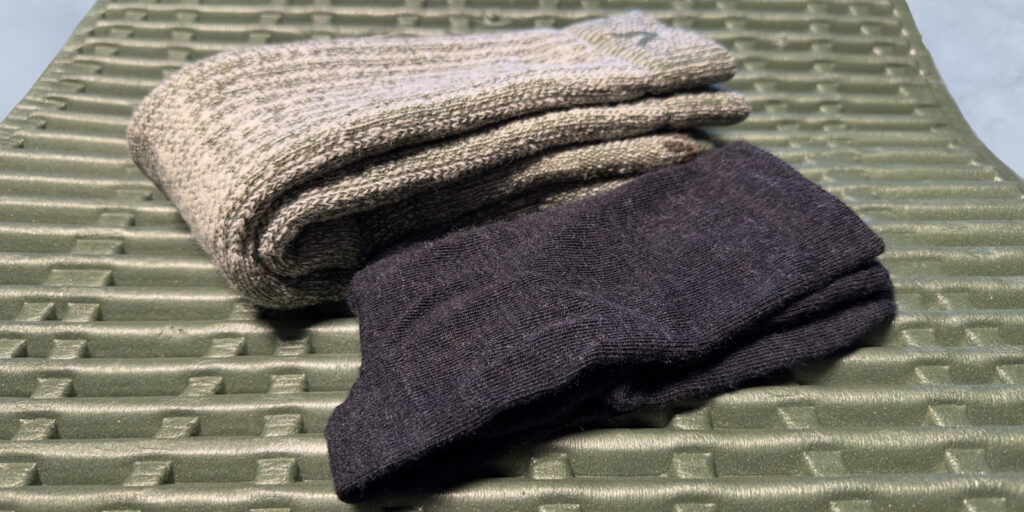
The two-sock layer method. Thin Merino wool liner socks (black) compared to the thickness of an outer layer wool cushion socks.

2-Sock Method Helps Prevent Blisters

Military studies have shown that wearing a thick wool outer sock over a liner sock resulted in the least blisters. “Foot blister incidence was lower among participants who wore the prototype boot sock and liner than among those wearing the standard military sock (40 vs. 69%, p < 0.001) or among subjects wearing the standard military sock with liner (40 vs. 77%, p < 0.001).” And foot “blisters and cellulitis severe enough to require medical attention occurred with greater frequency in the standard military sock group…” (https://pubmed.ncbi.nlm.nih.gov/8918120/). The double-sock strategy is effective for both warmth and blister prevention. For more about blister prevention and care, see Blisters: A Guide to Prevention and Treatment

For the best results, the fit, thickness, and materials of the socks has to align with the season conditions and what I call the basic Four Rules of Foot Warmth