Categories
Canister and Liquid Fuel Stoves Liquid Fuel Stoves Stove Repair kits Stove safety Stoves

Why Use a Liquid Fuel Stove?

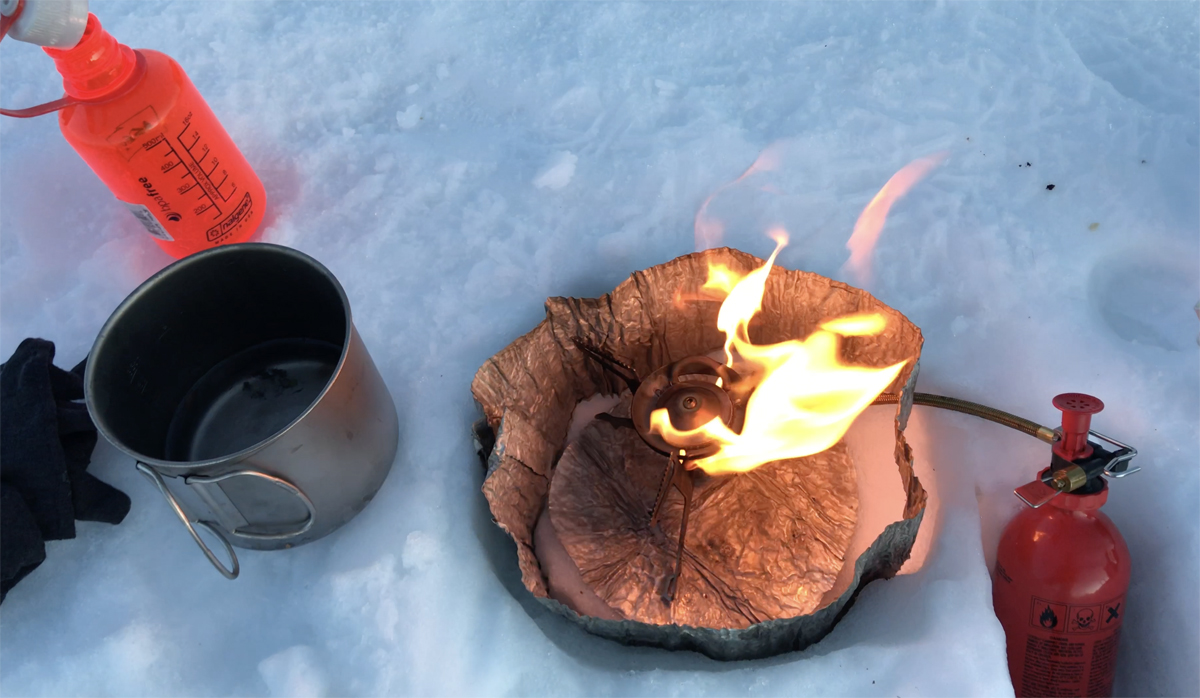
When I started out backpacking as a teenager, my first “stove” was a series of home-made paraffin burners (cardboard rolled into empty food cans and covered in wax). Eventually, I acquired an Optimus Svea stove which I really enjoyed. It sounded like a jet plane, but it worked well and was reliable. The simplicity of the design makes the Svea perhaps the most reliable liquid fuel backpacking stove. I eventually gave it away, but later in life when I returned to backpacking I decided on an MSR Whisperlite International, which is also a liquid fuel stove and the one that I still use.
Categories
Canister Stoves Isobutane Liquid Fuel Stoves Stove Repair kits Stoves

Will a Canister Stove Work for Winter Backpacking?

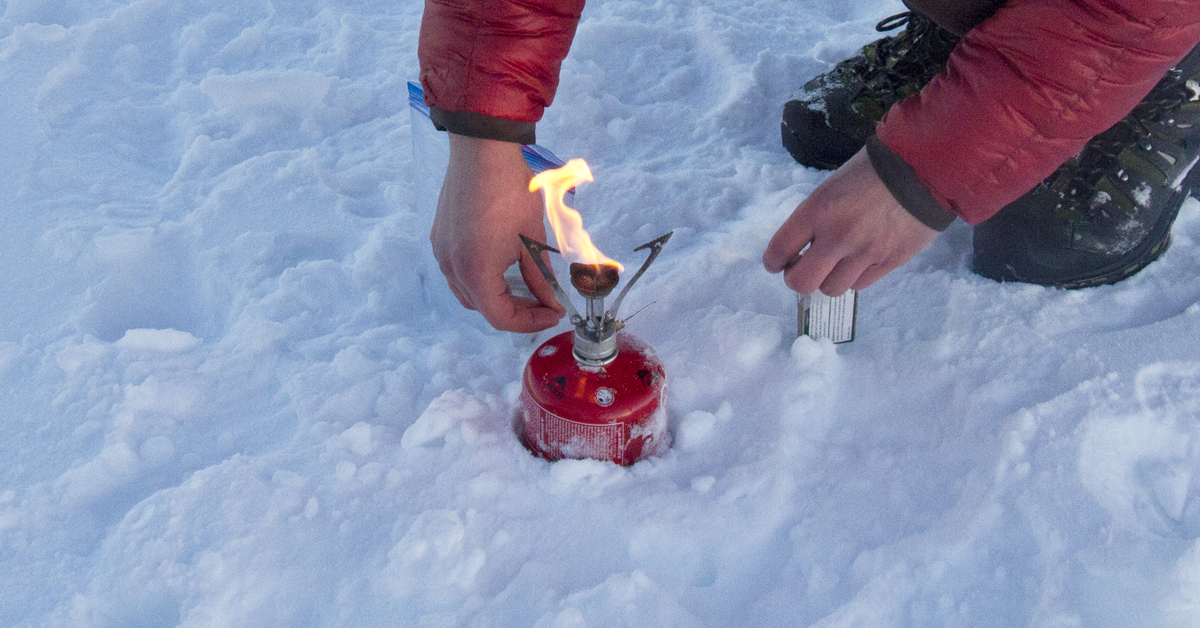
Many backpackers have been using canister stoves for years with no problems. But once they venture into winter conditions, canister stoves can lose pressure, underperform, and fail. But how cold does it have to get to experience these problems? I’m going to explore that question as well as what to look for in canister stove systems for the best performance in cold weather. For the pros and cons of liquid fuel stoves see Why Use a Liquid Fuel Stove?

Categories
Canister and Liquid Fuel Stoves Canister Stoves Fire starters Flasks Flints Lighters Liquid Fuel Stoves Nalgene bottles Pack Bladders Stove Repair kits Stoves Titanium Water Bottles ultra-light water bottles Water Bottles Water storage Winter water management

How to Keep Your Water from Freezing

Updated September 2025.

If you want to really enjoy winter backpacking, one of the first skills you need to master is your water management. This is both about staying hydrated and staying warm. It may seem like a minor thing to have your water freeze, especially in a plastic bottle, but if you allow this to happen, it is one of those small things that can spiral into big problems. You don’t want this to happen.

Do not use pack bladders

Perhaps the most important thing to know about winter water management is that you cannot risk letting your gear get wet or letting your water freeze in containers. Pack pladders are dangerous in winter conditions because they can leak on your vital insulated gear and put you at risk of hypothermia. The pack bladder mouth value easily freezes making it impossible to extract water placing you are risk of dehydration. And, if the bladder freezes at night or in your pack, it becomes useless. You simple are carrying heavy useless ice.

If not a pack bladder, what should you use? Let’s start with the basic gear necessary for managing your water.